
The Receipt That Costs You Money
"I'll send the receipts over at the end of the quarter." Nothing goes wrong for the whole quarter, and then one line in a return comes back smaller than it should be.
Nobody has been careless. A card was tapped, the goods turned up, the feed shows the payment, and the only thing missing is a piece of paper with a number on it.
The paperwork requests are not tidiness. Each one is a condition somebody attached to money you are entitled to keep.
So this lesson follows one missing supplier invoice to the figure it moves, without pretending the money has gone.
The duty is yours
An EU directive settles the question. A company's administrative, management and supervisory bodies carry collective responsibility for ensuring the annual financial statements are drawn up and published.
Reading that once changes the register of every request landing in your inbox. Hiring your finance department delegates the work and not the duty. The close is the sequence they run to turn a month of records into statements, out of records only you hold.
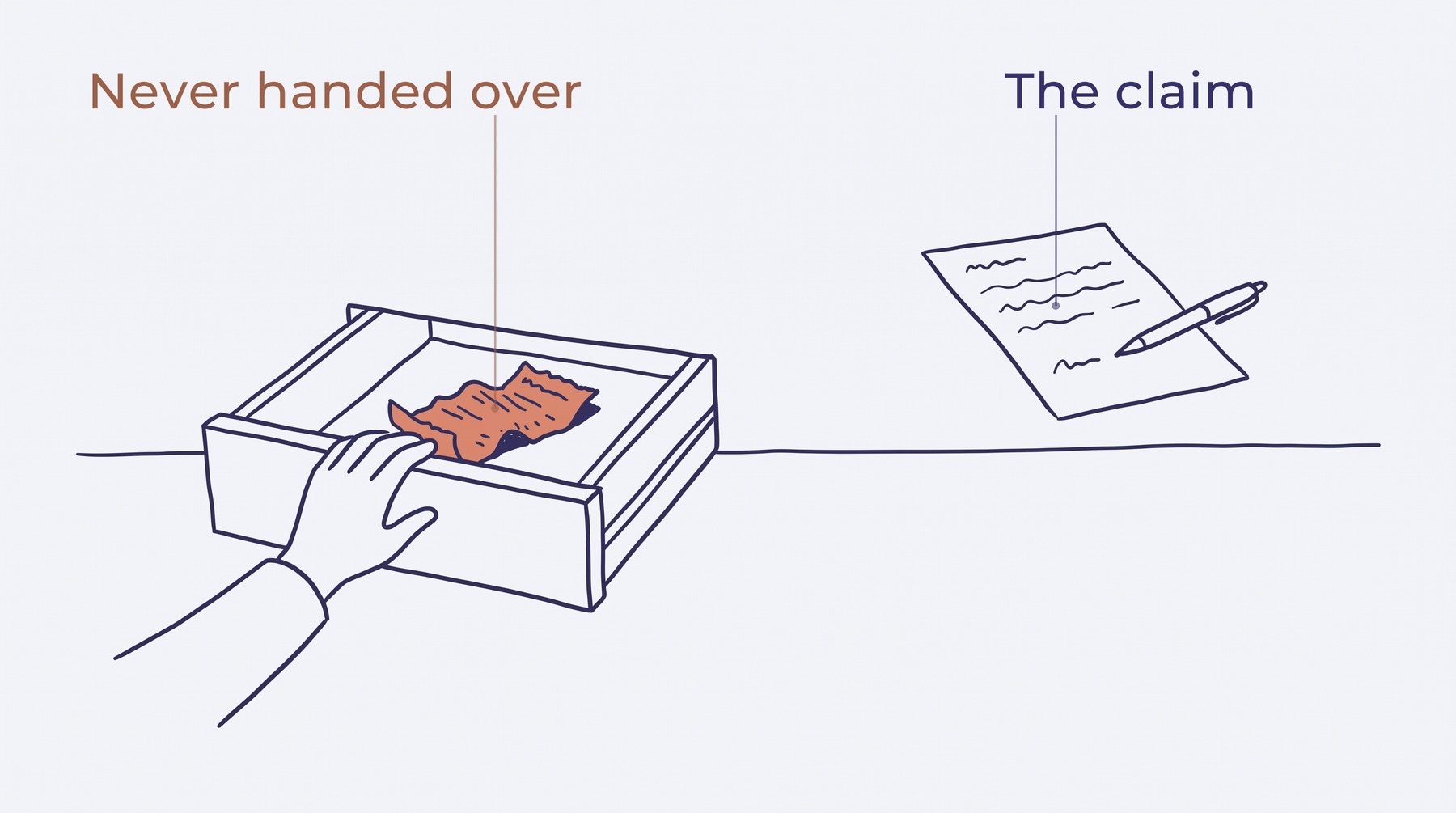
The drawer is not the problem there. The signature happens. The month closes on time, and a document that belonged in it stayed in a pocket.
A deduction with a document attached
Tax paid on a business purchase is deductible against tax you collected, and that is the input deduction. The directive granting the right attaches one condition: you must hold an invoice drawn up to the list it sets out.
"Input tax recovery is not automatic, it is conditional on holding and retaining the right type of documentation."
A professional body wrote that, and it is the mechanism in a line. A door opens once the document exists. It stays shut while it does not.
At a rate of a fifth, about a sixth of what you paid is reclaimable. Run that fraction over a quarter of unpapered purchases and it stops being abstract.
A supplier invoice for a real business purchase never reaches your finance department and the month closes without it. What happens to the tax paid on that purchase?
The bank feed shows the payment, so the amount is claimed from that
It stays unclaimed until somebody holds the invoice, and it is claimed in the period the invoice turns up
It corrects itself on the following return without anybody doing anything
The feed answer is the one nearly everybody picks. A bank line proves money moved and says nothing about what was bought.
Bad paperwork and no paperwork
Courts have been generous about defective documents and unmoved by absent ones. That difference is where the mechanism is read backwards.
The protection runs to bad paperwork. It has never run to no paperwork.
What lateness actually buys
A late invoice usually moves the deduction rather than destroying it. The claim goes on the return for the period you hold the document, which turns paperwork into cash timing.
Two more points generalise, and neither carries a travelling number. Tell the tax authority about an error before it finds the error and the penalty falls, everywhere the research looked. Small errors ride the following return, at a threshold your own country sets.
The date of issue, and a number that identifies this invoice and no other.
Both parties named, with the supplier's tax identification on it.
What was supplied, at what taxable amount, at what rate, for what tax.
Those are three of the particulars the directive lists, and they check a receipt in four seconds. Only the person drawing one up needs the rest.
The question to send them
One sentence is worth sending your finance department this week, and asking it costs nothing. What are you still waiting on from me for the month you are closing?
Where these numbers come from
The director's collective duty, the right to deduct and the document condition on it are quoted from EU directives. The four court positions are judgments of the Court of Justice. The line about recovery being conditional comes from a professional accountancy body. No penalty rate, threshold or filing date appears here, because each is national.